
alexandral0989
About alexandral0989
4 Lessons You’ll be able to Learn From Bing About Housing
 The real estate market does not move in one direction nationwide. It never has. What is happening in Austin is not what is happening in Cleveland. What is true for a three-bedroom in the suburbs of Dallas has almost nothing to do with a two-bedroom in San Francisco. Before you do anything else, narrow your focus to the specific market you are shopping in and stop reading national headlines as if they apply to you personally.
 Home prices at the national level have stayed stubbornly high even as financing costs doubled in under two years. The reason is supply. Homeowners who locked in three percent mortgages in 2020 and 2021 have almost no incentive to sell, which means the correction that many analysts were expecting simply did not materialize the way the data suggested it should.
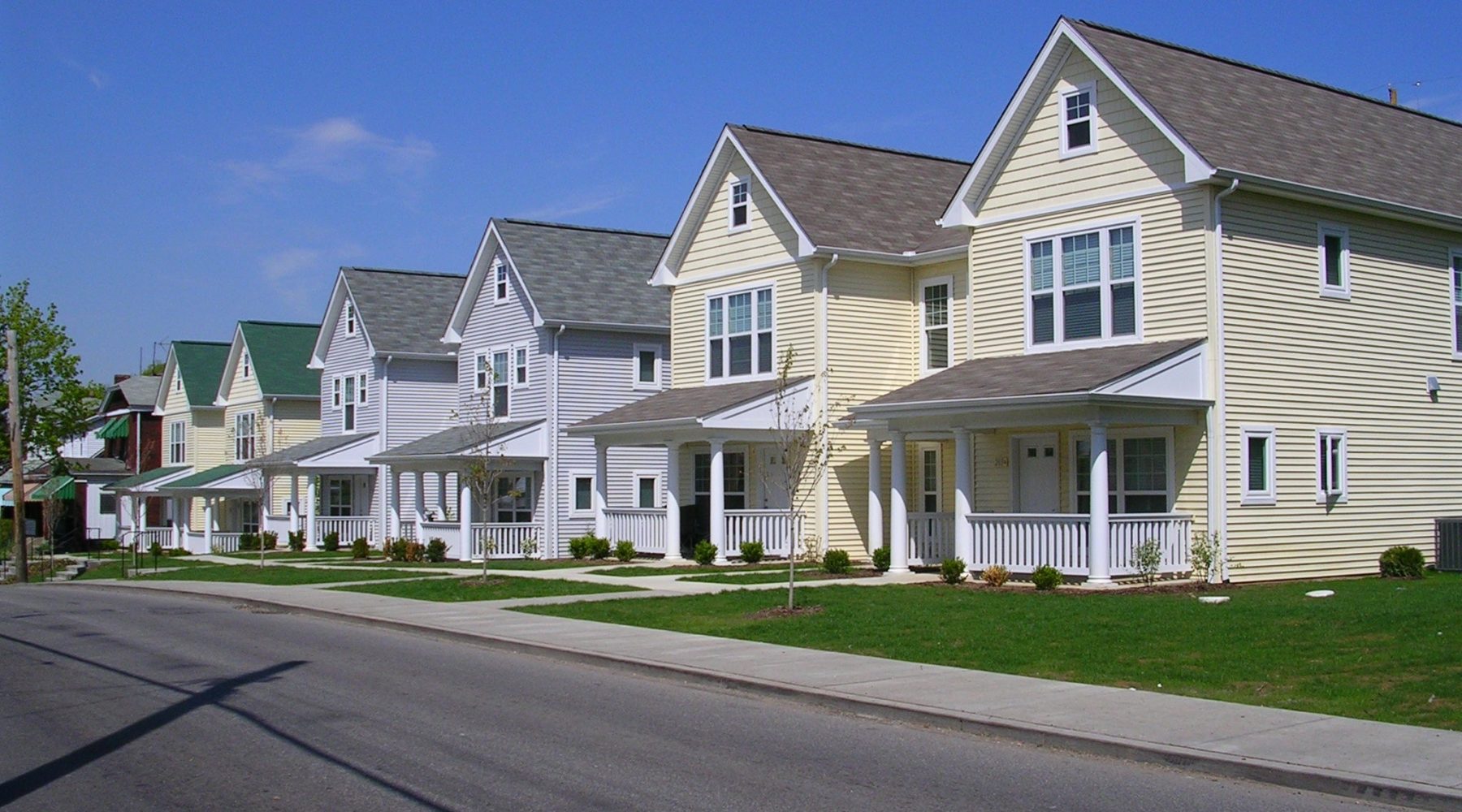 Affordability, by the standard measure of what share of median household income goes toward the monthly payment on a median-priced home, is near its worst level since the early 1980s. That is a real problem, and it is not going away quickly. A market can stay unaffordable for longer than most buyers expect to wait. What it means, practically, is that fewer people can compete for each property.
Your credit score affects your rate more directly than most buyers realize. Moving your score up by 40 points before you apply can be worth more than months of rate watching. If your score has room to improve, pull your reports, find the issues, and address them before you start shopping seriously.
 If the report surfaces findings that change the financial picture of the deal, you have real choices, and walking away is a legitimate one of them. You can ask the seller to repair specific items before closing. What you should not do is panic and waive your right to negotiate.
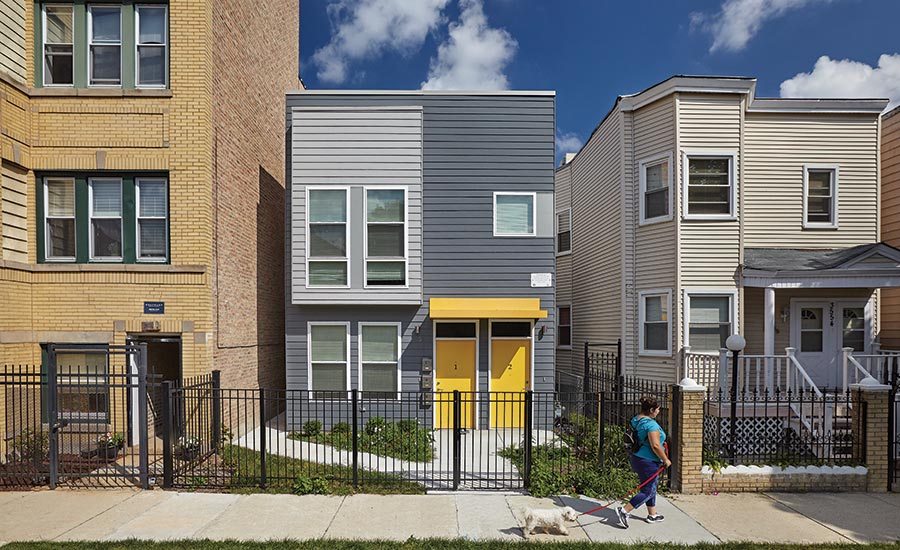 Budget between two and five percent depending on your loan type and the state you are buying in. First-time buyers routinely underestimate this number. Ask your lender for a Loan Estimate with a realistic purchase price so the numbers reflect what you are actually going to face.
For buyers with a stable income, a down payment of at least ten percent, and a concrete plan to stay in the home for at least five years, this market is full of opportunity that distracted or impatient buyers miss. The homes that are priced correctly for current conditions are still moving. They are moving to buyers who showed up prepared.
 Buyers who take the time to prepare before they start looking tend to find that the market is more navigable than the headlines suggest. A quick look at up-to-date property listings will tell you more about your local market than most of what you read in national coverage.
No listing found.